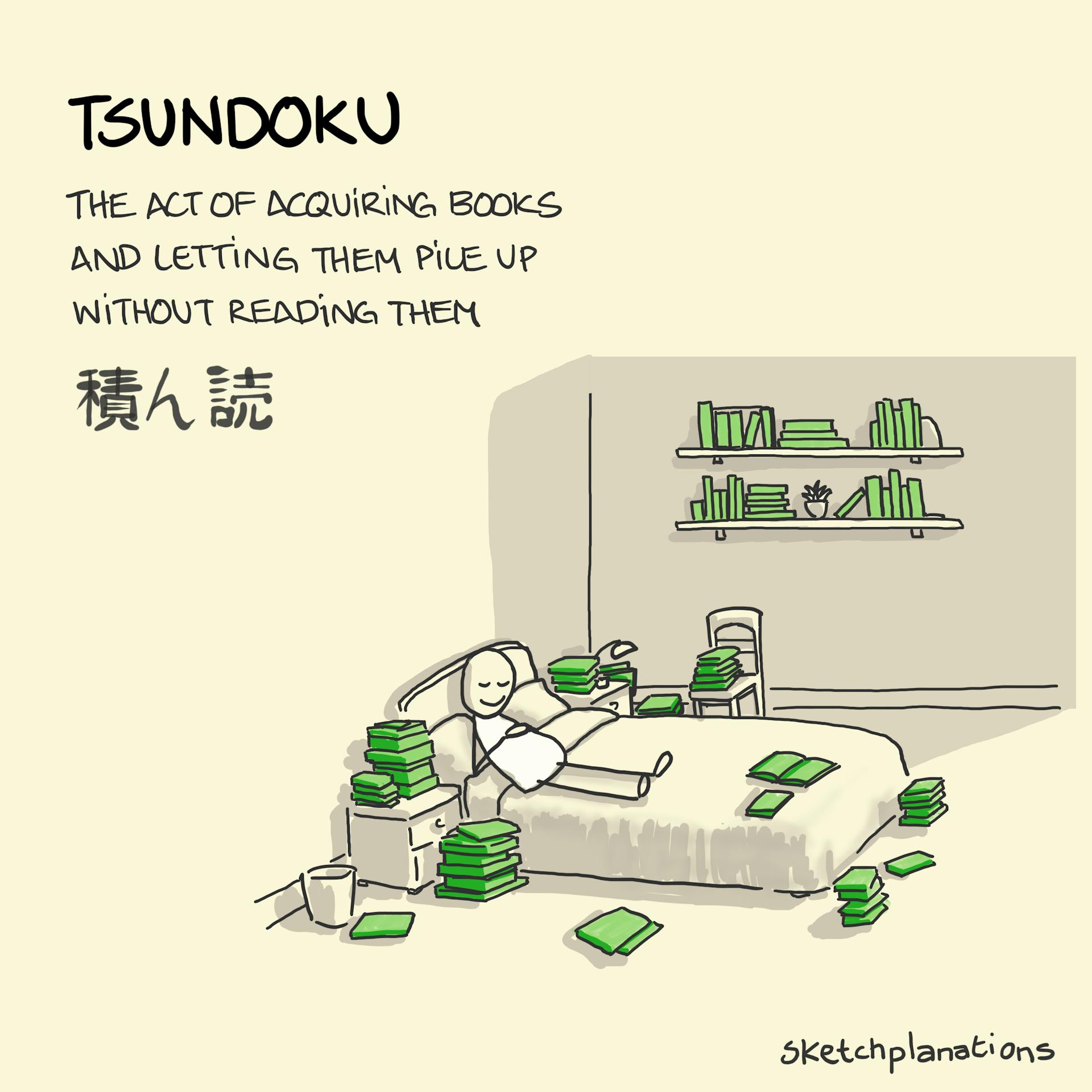
“That which we obtain too easily, we esteem too lightly.” — Thomas Paine
There is a fundamental quirk in human psychology: what is given too freely is almost always valued too cheaply. When the price tag of a commodity or a gesture drops to absolute zero, its perceived value often plummets with it.
We see this play out constantly, from macro-level government policies to corporate boardrooms, and even in our closest neighborhoods.
1. The State Government Dilemma: Welfare vs. Worth
Over the years, successive state governments have rolled out massive welfare schemes distributing free televisions, fans, mixers, and grinders. This isn’t a critique of social justice—welfare has its place. However, the execution exposes a flaw in how we perceive free items.
Walk into second-hand shops, and you will find piles of these pristine, government-issued appliances. Many recipients sold their free TVs immediately—some even packaged them off to student hostels in neighboring states for quick cash.
The psychological shift happens at the price point. If the government had charged even a token amount—say, ₹100—the public narrative would have changed. It would no longer be “free junk”; it would be a heavily subsidized asset worth protecting.
The Concept of ‘Skin in the Game’ through Civic Action
If charging a nominal financial fee is politically or logistically impractical for a welfare scheme, the state can introduce cost through a different currency: personal accountability. What if freebies or social security benefits were linked to conditional milestones?
For instance, to qualify for a government benefit, a citizen might need to demonstrate that they have bought a basic term insurance policy to insulate their family from sudden poverty, or drafted a legal will to eliminate generational property disputes. By introducing these nudges, the government transforms a passive handout into an active tool for social engineering. It forces the recipient to think about long-term stability, ensuring that while the benefit is free, the right to access it requires a meaningful commitment to their family’s future.
2. The Corporate Cafeteria: From Gratitude to Grievance
Step into the corporate world, and you see the exact same behavior. Many top-tier companies offer lavish, free buffet meals to keep their employees fueled and happy. Yet, day after day, you can hear employees cribbing about the menu options or the salt levels.
Constructive feedback is healthy, but habitual complaining about a premium, free benefit is a symptom of entitlement.
The reality is, nobody is forcing employees to eat at the office cafeteria. It is an entirely optional perk. If someone feels that the free meal doesn’t cater to their specific taste, they are well within their rights to bring food from home or eat elsewhere. Blaming the company for a voluntary benefit makes little sense.
Now, imagine if the company priced that exact same buffet at a nominal ₹5. Instantly, the psychological context flips. The narrative changes from “This free food is mediocre” to “Wow, where else on earth can I get a massive, delicious buffet for just five rupees?”
There is an old, wise saying that applies perfectly here: “Don’t tell the person carrying you up a hilltop that they smell bad. If you don’t like it, get down and walk.”
3. The Commute Complaint: Nodal Points vs. Entitlement
This psychological blind spot doesn’t stop at the cafeteria; it extends right into the office transport bay.
Consider a company that provides free, air-conditioned cabs for employee pickups and drops. To keep commute times efficient and fair for everyone, the transport department asks employees to walk a few meters to a designated “nodal point” on the main road. It makes logical sense: navigating narrow residential streets during peak-hour traffic delays the entire cab and inconveniences everyone else on board.
Yet, rather than walking those few short steps or choosing to commute using their own vehicles, many employees still crib about the service. They overlook the massive financial and logistical burden the company is lifting off their shoulders.
What makes the complaining even more unreasonable is that the company does provide doorstep drops during night shifts or pre-dawn pickups to ensure safety. But during normal hours, when the policy is optimized for the collective good, the concept of a “free ride” makes people focus entirely on their minor inconvenience rather than the major benefit.
Once again, when a premium service costs zero rupees, our expectations skyrocket to unreasonable heights.
4. The Neighborhood Lesson: When Charity Hurts Self-Esteem
Perhaps the most profound example of this happens at a deeply personal level, where giving freely can inadvertently hurt the very person you want to help.
In my village, a neighbor rented a small room to a daily wage laborer for ₹800 a month. When a member of the tenant’s family developed a severe kidney complication, the medical bills broke them. Seeing their struggle, the kind-hearted house owner waived their rent for two months to let them recover.
Instead of being relieved, the tenants abruptly packed their bags and vacated the house. The house owner was stunned. Why leave when someone is actively trying to support you?
What he later realized was a masterclass in human dignity: living entirely rent-free had severely bruised the tenant’s self-esteem. Furthermore, they carried the crushing anxiety that the neighbors would look down on them as objects of charity. By trying to eliminate their financial burden entirely, the house owner had inadvertently created a psychological one.
The Takeaway
Human beings are wired to equate cost with commitment. When we pay nothing, we invest nothing—neither our gratitude nor our respect. Whether you are running a state, managing a corporate team, or helping a neighbor, sometimes the best way to preserve someone’s dignity and value for what you offer is to ensure they have skin in the game. Sometimes that means charging a token financial price; other times, it means demanding a baseline of personal accountability and civic action. True value is never found in a passive handout; it is forged when we are asked to invest something of ourselves in return.
What are your thoughts on this? Have you ever noticed a situation where giving something away for free completely changed how people valued it? Let’s discuss in the comments below!
P.S. This post is purely a psychological observation on human behavior; it is not a critique of social justice schemes or the intentions of kind-hearted samaritans.
*This blog post was refined using Gemini.